
Research
neuromodulated inheritance lab
neuromodulated inheritance
From external stimuli to internal states: The tuning of inherited information
Our lab investigates how tuning of sensory networks regulates intergenerational communication. We study a neuronal-somatic-germline-embryo pathway of information provision where maternal perception of the environment modifies embryonic phenotypes. This process of “neuro-modulated inheritance” involves several steps: (1) initial step of sensing and interpreting of the initial environmental cues,(2) communication of those cues from neurons to other tissues including the germline, (3) alteration and designation of intergenerational information, and (4) progeny interpretation of inherited information.

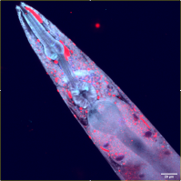
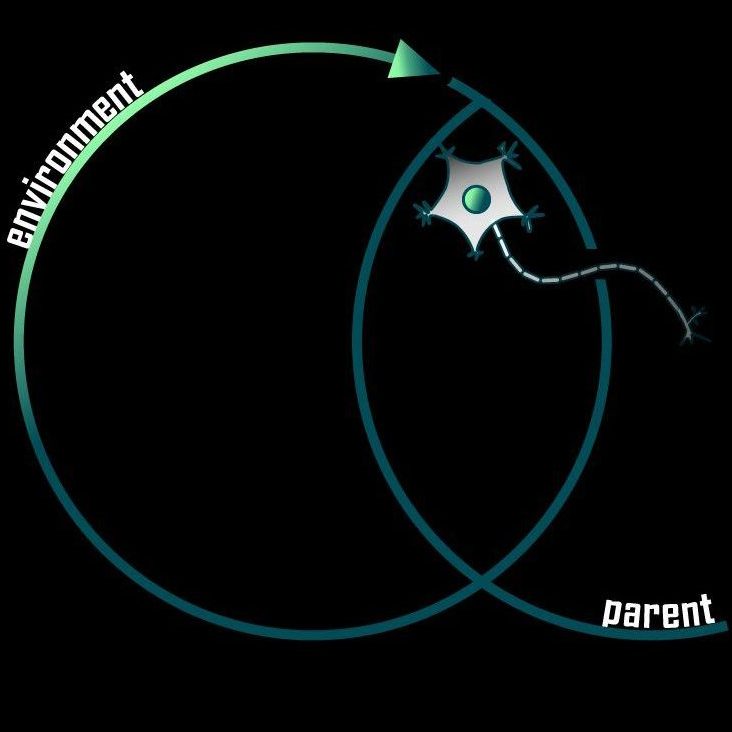

what environmental signals do parents detect that can influence communication across generations?
For the initiation of neuromodulated inheritance, we identified transmission of an intergenerational signal that depends on social environmental cues. In C. elegans, ascarosides are a class of small-molecule signals that are both secreted and sensed by worms that outline the immediate social environment. The nature of many of these molecules remains unknown, thus dissecting how each contributes to neuro-modulated inheritance will add to the general understanding of the function of these molecules.
how do parents first perceive environmental cues and then process them?
Classically, neurocircuits have been studied in the context of behavior with an immediate output that is a binary decision (e.g. fight or flight). Many studies have interrogated the function of specific chemosensory neurons within neurocircuits that regulate locomotion in response to social, chemical, and food cues. Neuro-modulated inheritance is qualitatively different in that it modulates a range of outputs and functions over the long-term, regulating the responses of both the parent and the progeny. Furthermore, we found that alterations to maternal chemosensory signaling pathways modulates progeny stress responses in enhancing or suppressing ways. We identified the FMRFamide-like neuropeptide FLP-21 as a key player in neuromodulated inheritance. FMRF-like peptides are highly conserved signaling molecules that affect numerous biological processes including metabolism, sleep, and disorders including PTSD. How FMRF-like peptides relay environmental information from neurons to the germline and thus the next generation remains unclear.
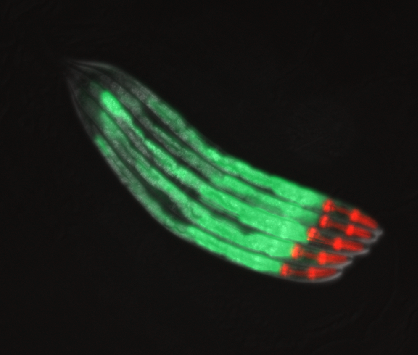
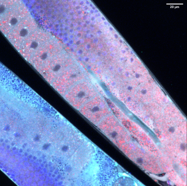


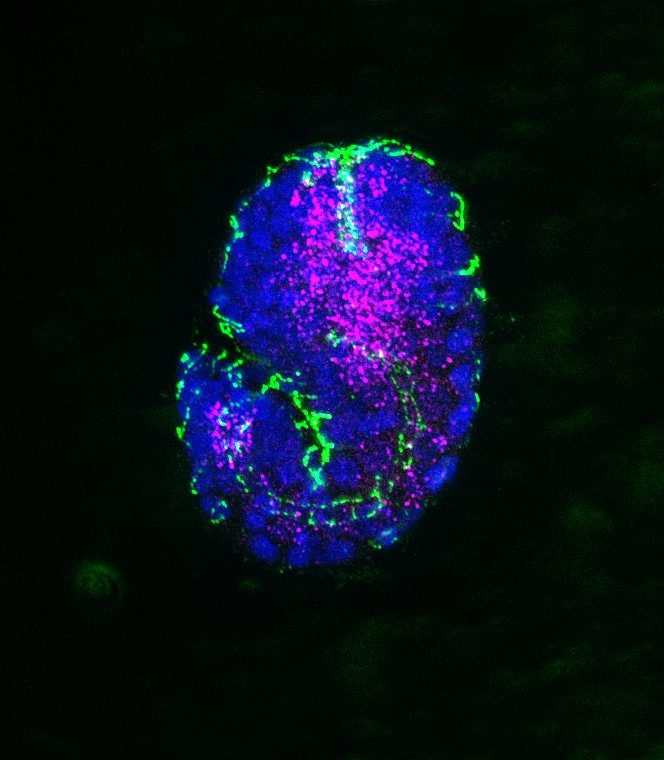
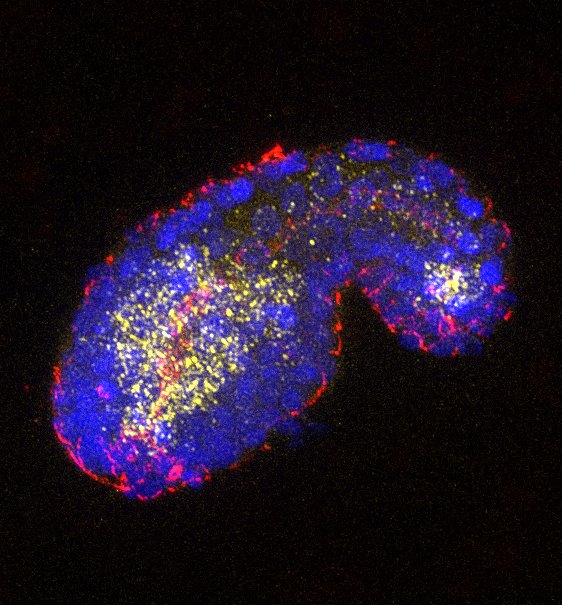
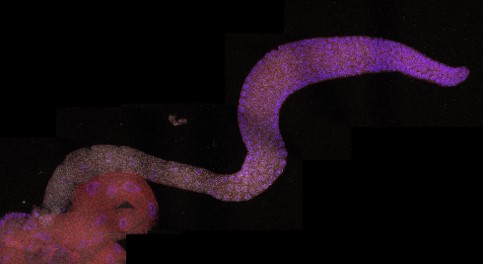
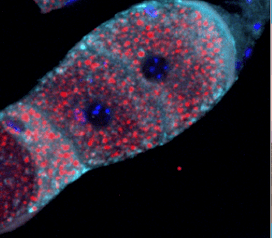


what is the progeny interpretation of How do offspring interpret inherited information based on parental perception?
Mothers provide their progeny with a pool of RNA and proteins in a process called maternal provisioning. We found that the FLP-21 maternal FMRFamide-like peptide signaling pathway modulates stress responses and promotes the deposition of mRNAs for translational components in progeny, which, in turn, alters embryonic stress responses in the next generation. There is a large question in the field of epigenetic inheritance of how progeny interpret epigenetically inherited material from parents in response to environmental changes. Furthermore, it is remains to be determined if there are key conserved networks activated in response to maternally provided factors that form the core of an embryonic response or if each embryonic response is stimulus-specific.

Proudly powered by WordPress
 theWassonLab